Atividade Cores Ingles
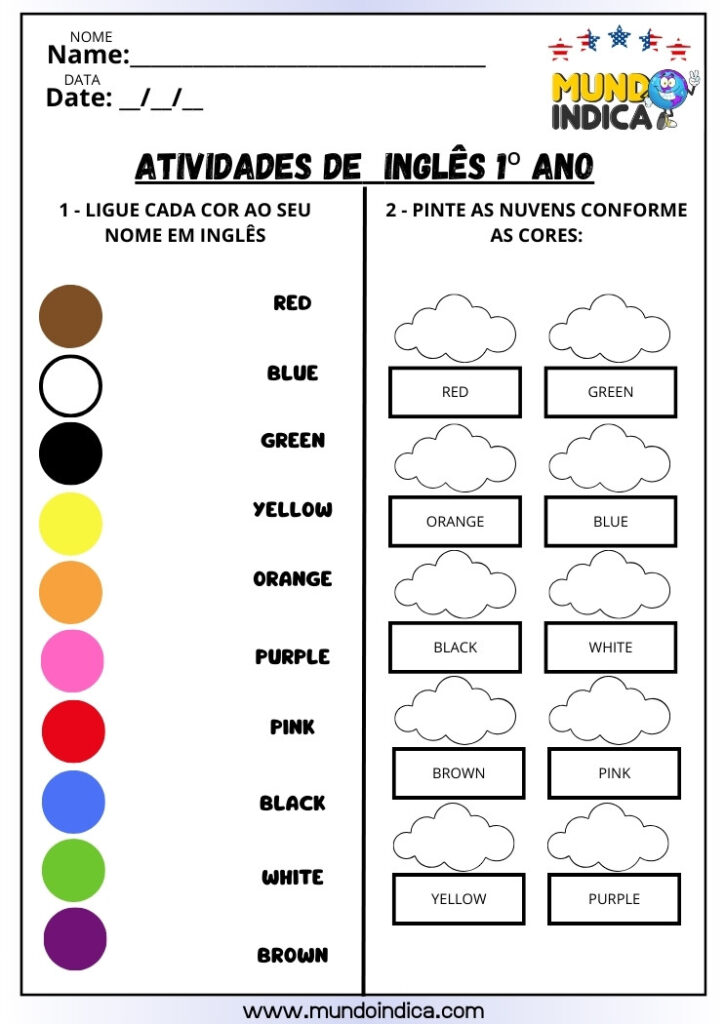
Exploring atividade cores ingles through playful lessons helps children recognize colors while building confidence with English vocabulary and simple sentence structures.
Why Focus on Atividade Cores Ingles in Early Learning
Atividade cores ingles is a powerful way to introduce very young learners to a new language because colors are concrete, easily visualized, and closely tied to daily life. When children point to a red apple or a blue sky in English, they connect a familiar object with a new word, which supports memory and recall. Teachers and parents often choose this theme because it is low pressure, highly visual, and naturally encourages speaking, listening, and fine motor practice through drawing or sorting games.
Using a dedicated atividade cores ingles approach also aligns with how children naturally learn: through play, repetition, and meaningful interaction rather than isolated drills. Simple routines such as greeting time, calendar, or snack time can include color questions in English, so the language becomes part of the rhythm of the day. This gentle immersion helps learners build listening skills first and gradually feel comfortable producing short phrases like "It is yellow" or "I see green."

Designing Simple Activities Around Cores Ingles
Effective atividade cores ingles activities start with clear language targets, such as naming the colors and using them in short phrases, while keeping instructions easy to demonstrate with gestures or pictures. Teachers can prepare flashcards, real objects, or digital slides, and invite learners to touch, sort, or move items while repeating the color names in English. Visual support is key, because it reduces the need for translation and lets learners connect the sound of the word directly with the meaning.
Consider these adaptable ideas for an engaging atividade cores ingles session:
- Color scavenger hunt where students find items in the room and say, "I found something red."
- Listening and pointing games using flashcards and simple commands like "Point to blue."
- Creative drawing or collage tasks where learners describe their choices, such as "My house is brown."
Integrating Songs, Stories, and Movement
Combining an atividade cores ingles theme with songs, stories, and movement keeps energy high and supports different learning styles. A color song with actions, for example, lets children hear the pronunciation, see the spelling through visuals, and use their bodies to reinforce memory. Repetitive refrains in a song make it easy for shy learners to join in and gradually internalize key vocabulary without feeling pressured to perform.
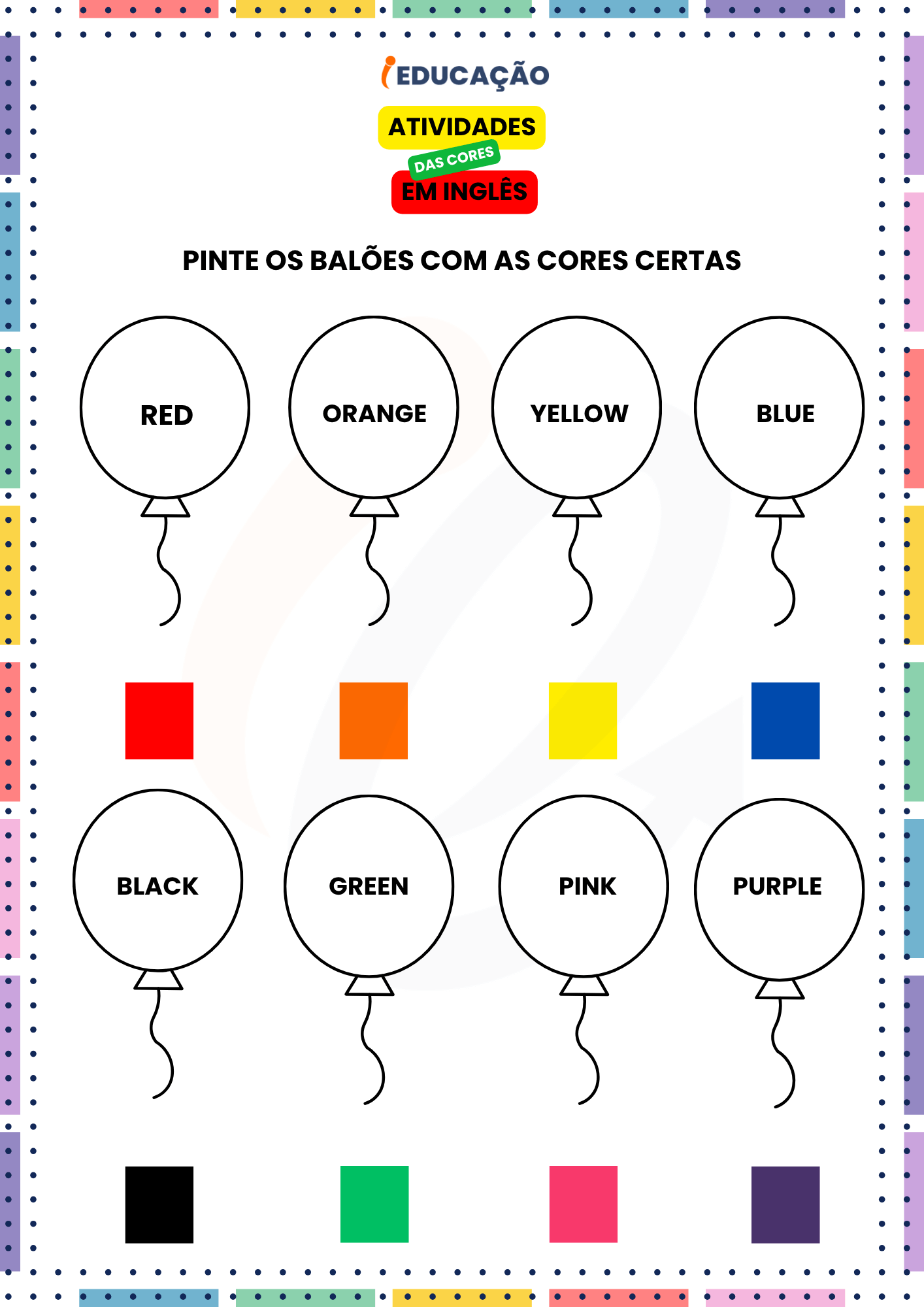
Stories that highlight colors in meaningful contexts help learners see how words are used beyond isolated drills. Teachers can read a simple picture book, pause to ask questions like "What color is the car?" and invite students to predict what will happen next using color words. Adding movement, such as stepping to different colored spots on the floor when a color is called, links physical activity with language and makes the atividade cores ingles experience more dynamic and memorable.
Supporting Shy or Beginner Learners
In an atividade cores ingles setting, some children may feel hesitant to speak in front of others, so it is helpful to design tasks that allow for nonverbal responses at first. Pointing, showing flashcards, or placing colored blocks in a line lets them participate safely while building confidence. Teachers can gradually add short speaking prompts, such as whispering the color to a partner or repeating after the class, so that speaking feels like a natural next step rather than a sudden demand.
Pair work and small group tasks are especially effective because they reduce pressure and provide peer support. More confident students can model language naturally, while quieter learners have the chance to respond in a less intimidating context. Using consistent routines and clear visuals also lowers anxiety, because students know what to expect and can focus on understanding and producing the new vocabulary related to colors in English.

Extending Learning Beyond the Classroom
Families can easily continue an atividade cores ingles experience at home by turning everyday moments into language practice. Parents might ask children to name the colors of clothing, toys, or food during daily routines, creating low-stakes opportunities to use English in authentic situations. Simple tasks like sorting laundry by color or describing a favorite meal in English reinforce vocabulary while strengthening the connection between language and real life.
Providing take-home materials, such as coloring sheets with labels in English or short prompts for a color journal, encourages review and builds learner independence. When children share their work with family, they gain confidence in using the new language and see that the atividade cores ingles they experience in class can extend into their everyday world, turning colors into a lasting foundation for future English skills.
Conclusion
An engaging atividade cores ingles approach blends clear language goals with play, movement, and visual support, helping learners build vocabulary, listening skills, and confidence in a natural and enjoyable way. By using songs, stories, collaborative tasks, and everyday connections, teachers and families create rich contexts where colors become a meaningful bridge to broader English communication.

As Cores em Inglês | Aprender as Cores em Inglês
As cores em inglês. Nesse vídeo você vai aprender o nome das cores em inglês de uma jeito fácil e divertido, além de aprender o ...
