Carnivoro Herbivoro Onivoro

Understanding the terms carnivoro herbivoro onivoro helps us explore how different animals meet their nutritional needs through specialized diets. These three categories describe fundamental feeding strategies that shape ecosystems, influence animal behavior, and even affect how we think about nutrition in both wildlife and human contexts. By examining these dietary classifications, we gain insight into the diverse ways life has adapted to obtain energy and building blocks from the environment.
Defining Carnivoro: The Meat-Eaters
The term carnivoro refers to animals that primarily or exclusively consume other animals. These meat-eaters have evolved a range of physical and physiological adaptations that make them efficient hunters or scavengers. From the powerful jaws of lions to the specialized enzymes in a cat's digestive system, carnivoro organisms are finely tuned to process animal tissue.
True carnivores, or obligate carnivores, rely so heavily on animal flesh that they cannot thrive on plant-based diets alone. They require specific nutrients, such as taurine and preformed vitamin A, that are abundant in meat but scarce or unavailable in plants. This dietary dependence shapes their hunting strategies, social structures, and even their role in controlling prey populations within their habitats.
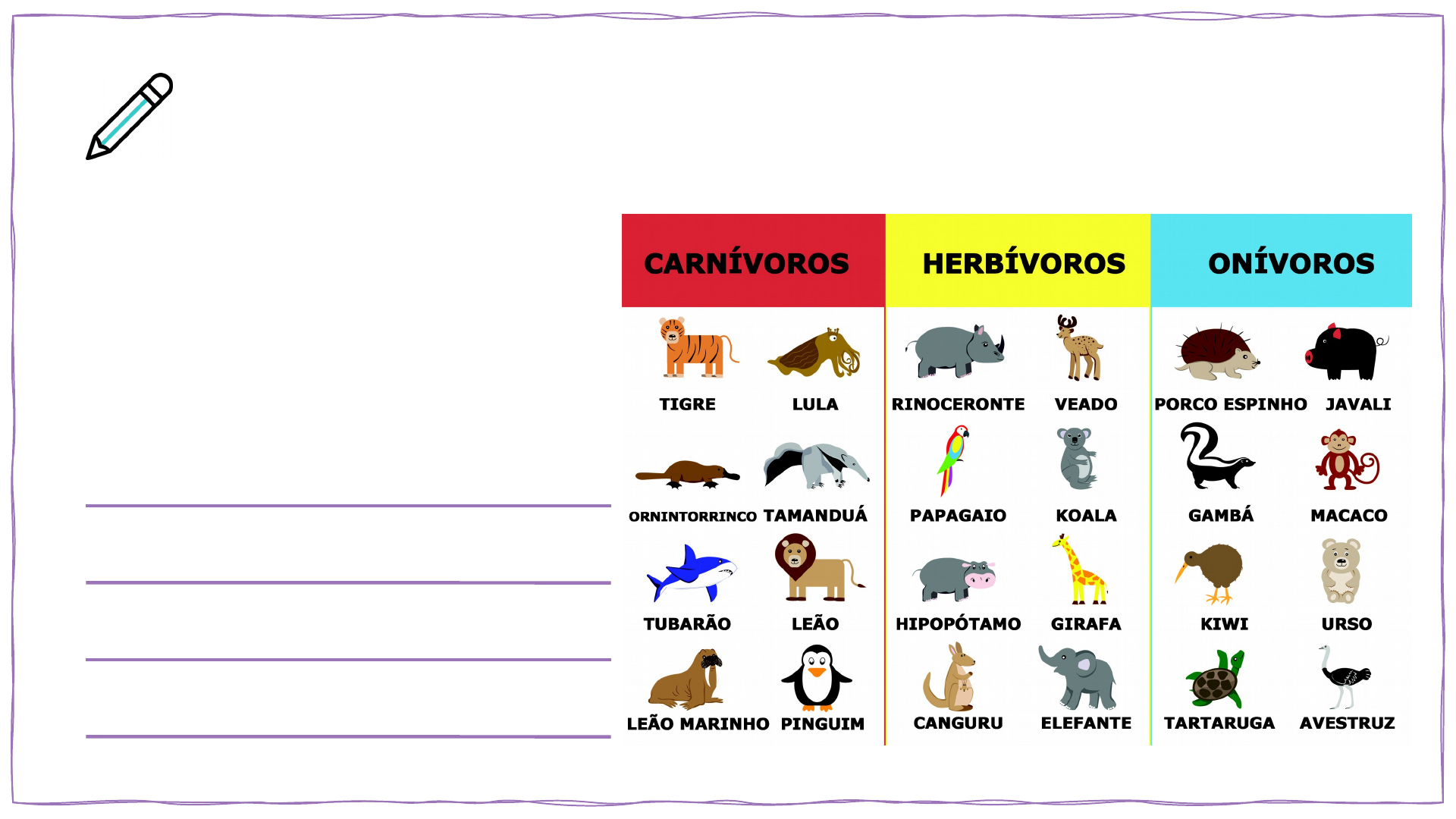
Examples of carnivoro animals span from majestic predators like tigers and eagles to specialized hunters like spiders and certain species of fish. Each has developed unique tools, whether they are sharp claws, keen eyesight, or potent venom, to secure their next meal. Their impact on the food web is profound, often acting as keystone species that maintain balance in their ecosystems.
Exploring Herbivoro: The Plant-Eaters
In contrast, herbivoro describes animals that feed mainly on plant material. This diverse group includes everything from tiny insects that consume nectar to massive elephants that graze on grasses. Herbivores play a critical role in ecosystems by transferring energy from plants to higher trophic levels and by influencing plant community structure through their feeding habits.
To extract maximum nutrition from tough plant matter, herbivoro animals have evolved remarkable digestive systems. Ruminants like cows and deer possess multi-chambered stomachs that host bacteria capable of breaking down cellulose, a complex carbohydrate that most animals cannot digest. Other herbivores, such as horses and rabbits, practice coprophagy, consuming their own feces to reabsorb nutrients produced by gut microbes.

The adaptations of herbivoro animals are not just digestive. Many have specialized teeth for grinding, long gastrointestinal tracts for nutrient absorption, and behavioral strategies like selective browsing to optimize their plant-based diet. Their feeding patterns also shape landscapes, promoting plant diversity and creating habitats for other species through processes like seed dispersal and pruning.
Understanding Onivoro: The Omnivores
The category of onivoro encompasses animals that consume both plant and animal matter. This dietary flexibility provides a significant evolutionary advantage, allowing onivoro species to adapt to varying food availability and environmental changes. Humans, bears, pigs, and many bird species are classic examples of successful onivoro organisms.
Onivoro animals often exhibit behavioral plasticity in their feeding habits. They may eat fruits and leaves when they are abundant and switch to insects, small vertebrates, or carrion when resources are scarce. This versatility reduces competition for specific food sources and increases the chances of survival in fluctuating environments. Their role in ecosystems is complex, as they can act as predators, prey, and seed dispersers simultaneously.
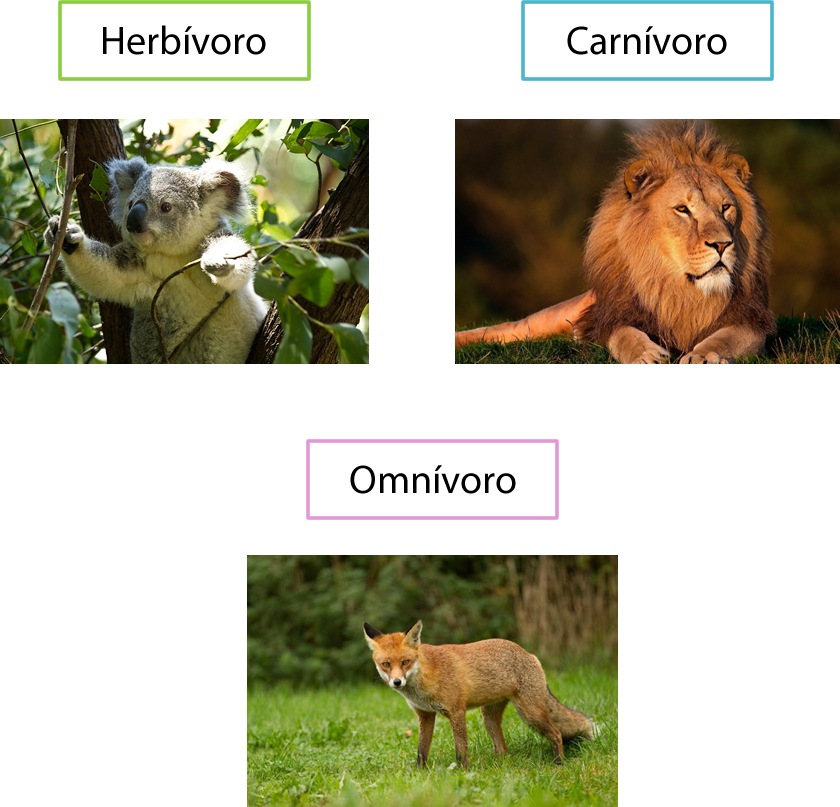
The digestive systems of onivoro species are typically generalist, capable of handling a wide range of foods. While they may not be as specialized as a true carnivoro or herbivoro gut, they are efficient at processing diverse nutrients. This dietary breadth has been a key factor in the success and spread of many onivoro species across the globe.
The Ecological Significance of Dietary Categories
The distinctions between carnivoro, herbivoro, and onivoro are more than just academic classifications; they are fundamental to understanding energy flow and nutrient cycling in ecosystems. Each dietary strategy represents a different pathway for transferring solar energy, captured by plants, up the food chain.
Carnivores often regulate populations of herbivores, preventing overgrazing and maintaining plant diversity. Herbivores, in turn, influence plant growth and succession, creating a dynamic balance. Onivoro animals frequently act as connectors between different parts of the food web, consuming resources from multiple categories and redistributing energy and nutrients through their waste and, sometimes, through predation.

Disruptions to these dietary roles can have cascading effects. The loss of a key carnivoro predator, for instance, can lead to an overpopulation of herbivores, resulting in habitat degradation. Similarly, changes in the onivoro population can alter seed dispersal patterns and the resilience of plant communities to disturbances.
Variations and Exceptions in Feeding Strategies
While the categories of carnivoro, herbivoro, and onivoro provide a useful framework, nature is full of fascinating exceptions and variations. Some animals exhibit dietary shifts throughout their life stages, transitioning from one feeding strategy to another as they grow and their needs change.
For example, many turtles are born with a more carnivorous diet but become increasingly herbivorous as adults. Some fish may start as plankton feeders and later adapt to consume algae or smaller fish. These shifts highlight that diet is often a response to opportunity and necessity rather than a fixed, immutable trait.

Additionally, the boundaries between categories can blur. Some botanically classified fruits are consumed by animals in ways that resemble carnivory in their nutrient extraction methods, while certain "herbivorous" insects can display highly predatory behaviors towards other insects. This fluidity underscores the complexity of ecological interactions beyond simple labels.
Conclusion on Dietary Diversity
The interplay between carnivoro, herbivoro, and onivoro lifestyles showcases the incredible adaptability of life on Earth. Each strategy—whether specializing in meat, plants, or a flexible combination—represents a successful solution to the challenge of survival.
By studying these dietary classifications, we deepen our appreciation for the intricate web of life and the specialized adaptations that allow countless species to thrive. Recognizing the importance of carnivoro, herbivoro, and onivoro animals is essential for conservation efforts, ecosystem management, and understanding our own place within the natural world.
Animais herbívoros, carnivoros e onívoros.
Olá pessoal sejam bem vindos ao canal vida dos animais. Neste vídeo você alguns animais e a classificação deles conforme os ...
