Cartoon Cat Disegno
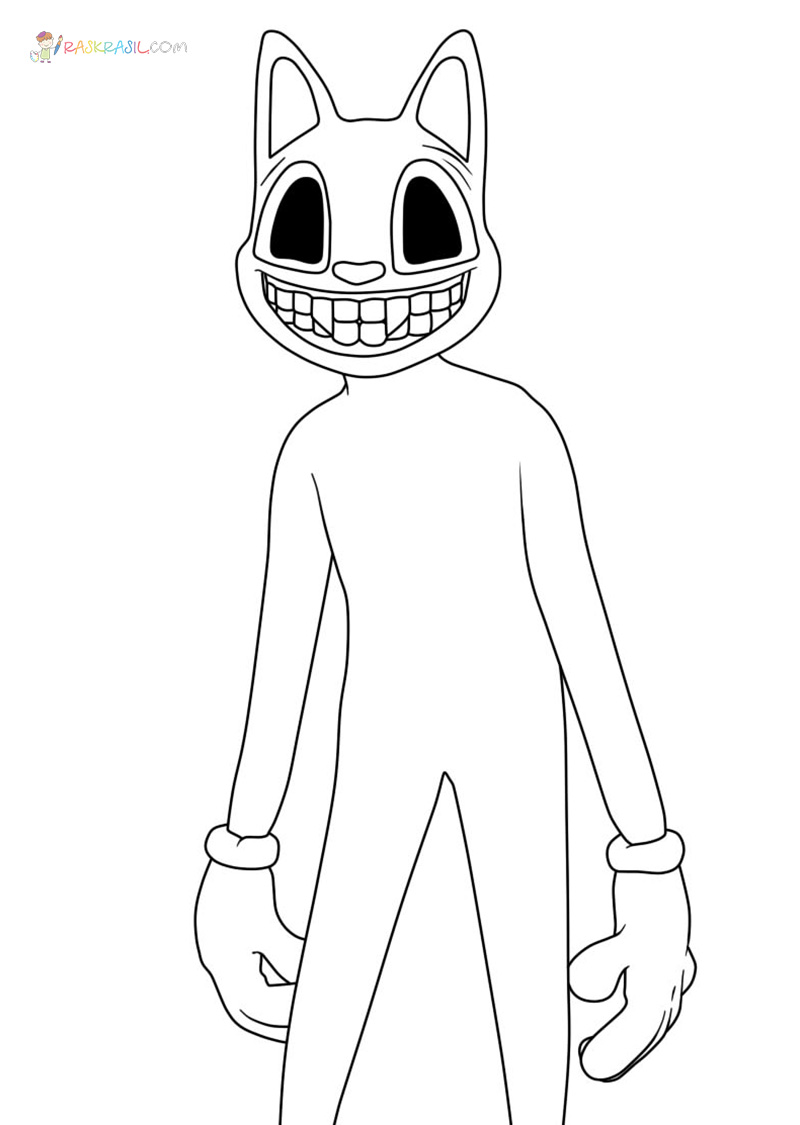
Exploring the art of cartoon cat disegno reveals how a simple sketch can capture playful personality and timeless charm in every line.
Understanding the Essence of Cartoon Cat Disegno
Cartoon cat disegno focuses on translating feline charm into a stylized, approachable visual language. Unlike realistic portrayals, a cartoon approach emphasizes clear shapes, expressive features, and a sense of movement that feels lively and friendly. The word disegno, rooted in Italian drawing traditions, highlights the importance of line, form, and thoughtful composition in building a memorable character. When you begin a cartoon cat project, you are not just copying an animal, you are designing a personality that lives inside a simple sketch.
Each decision in cartoon cat disegno influences how viewers interpret mood and attitude. Big, round eyes can suggest curiosity or innocence, while a slightly crooked smile hints at mischief. The balance between simplicity and detail matters, because too few lines may feel empty, but too many can clutter the playful energy you want to convey. By studying basic anatomy and then exaggerating key traits, you keep the drawing recognizable, dynamic, and full of cartoon charm.

Key Elements of Line and Shape in Cat Drawings
In cartoon cat disegno, line quality defines character and motion. Smooth, confident outlines help the cat read clearly, while varied line weights can create depth, guiding the eye from the ears down to the tail. Curved lines often soften the form, making the cat feel cuddly, whereas sharper angles can add attitude or a more edgy, modern look. Experimenting with continuous lines, broken strokes, and contour marks lets you build rhythm across the body.
Shape language is another pillar of strong cartoon cat disegno. Starting with basic forms like circles, ovals, and triangles makes it easier to construct the head, body, and ears before refining details. You might use a large circle for the head, smaller circles for eyes, and soft triangles for ears to create an instantly readable silhouette. As you gain confidence, you can break these shapes intentionally to develop a more personal, stylized approach.
- Use overlapping shapes to suggest volume without complex shading.
- Keep the spine line fluid to communicate flexibility and grace.
- Simplify paws and tails into bold strokes that still feel natural.
Expressive Features That Bring Cats to Life
The face is the heart of cartoon cat disegno, and thoughtful placement of eyes, nose, and mouth creates instant emotion. Wide eyes placed high on the skull can suggest wonder, while narrowed eyes and a slight squint may hint at sly confidence. Adding catchlights, small reflections in the eyes, gives a spark that makes the cat feel awake and engaged, even on a static page.

Beyond the face, body language completes the character in your cartoon cat disegno. A tail curled high can signal happiness or curiosity, while a tucked tail might communicate shyness or playfulness. Subtle shifts in posture, like leaning forward with paws positioned closer together, can imply movement and prepare the viewer for the next action. Practicing gesture sketches helps you capture these nuances quickly and confidently.
Exploring Different Styles and Inspirations
There is no single way to approach cartoon cat disegno, because styles can range from soft and chibi-like to bold and graphic. Some artists take inspiration from classic animated cats, focusing on clear silhouettes and limited color palettes that make the character pop. Others blend influences from comics, street art, or digital illustration, using textures, patterns, and experimental linework to create a distinctive signature. The key is to stay playful while keeping the drawing readable at various sizes.
You can also draw inspiration from cultural interpretations of cats, where different regions emphasize unique traits in their cartoon cat disegno traditions. Whether you lean toward cuteness, attitude, or a mix of both, studying a variety of references helps you understand how simple adjustments in line, proportion, and expression lead to entirely different feelings. Building a personal visual library gives you freedom when you design new characters later.
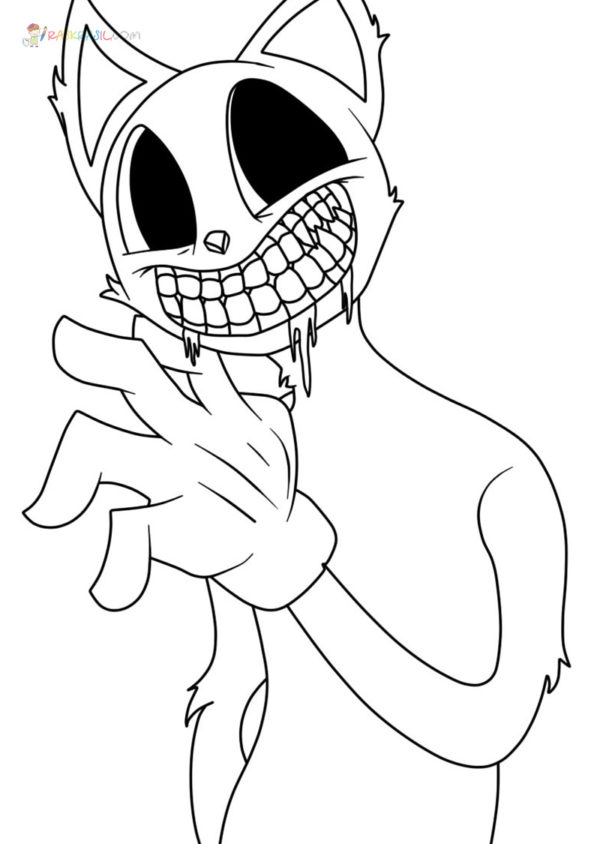
Practical Steps to Improve Your Cartoon Cat Disegno
Developing your cartoon cat disegno skills starts with consistent observation and quick sketching sessions. Try drawing cats in different poses, from sitting and stretching to jumping and playing. Focus on capturing the rhythm of the body first, then refine proportions and details. Keeping your lines light at the beginning makes it easier to adjust proportions and experiment with new expressions without fear of making mistakes.
Using reference photos, real cats, and even animated clips can deepen your understanding of movement and anatomy in cartoon cat disegno practice. Break each reference into simple shapes, then reconstruct the scene with your own stylistic choices. Over time, you will find it easier to invent original characters that feel both familiar and fresh, balancing structure with imagination.
Bringing Personality and Storytelling to Your Drawings
Beyond technique, the most memorable cartoon cat disegno often tells a story or conveys a distinct personality. Think about the cat’s role in your drawing—is it a curious explorer, a relaxed companion, or a whimsical guide? Small narrative details, like a toy in the paws or a dramatic backdrop, can hint at a larger world beyond the page and invite viewers to imagine what happens next.

Color and shading choices can further enhance that storytelling in cartoon cat disegno, even in simple monochrome sketches. Hatching, cross-hatching, or gentle gradients can suggest texture in fur and add volume without overwhelming the design. When color is introduced, thoughtful palettes can emphasize mood, making the cat feel warm, mysterious, or energetic depending on your creative intent.
Conclusion
Mastering cartoon cat disegno is a journey of balancing structure with imagination, using line, shape, and expression to create characters that feel alive. By studying fundamentals, experimenting with styles, and paying attention to storytelling details, you can develop a signature approach that stands out. With patience, curiosity, and plenty of sketching, each new cat drawing becomes an opportunity to refine your voice and share a little more of your unique creative world.
How to Draw CARTOON CAT
Be a professional in drawing, click here: https://2d30b5v-tjihw8tkjq4eneukej.hop.clickbank.net/ In this video you will learn how to ...
