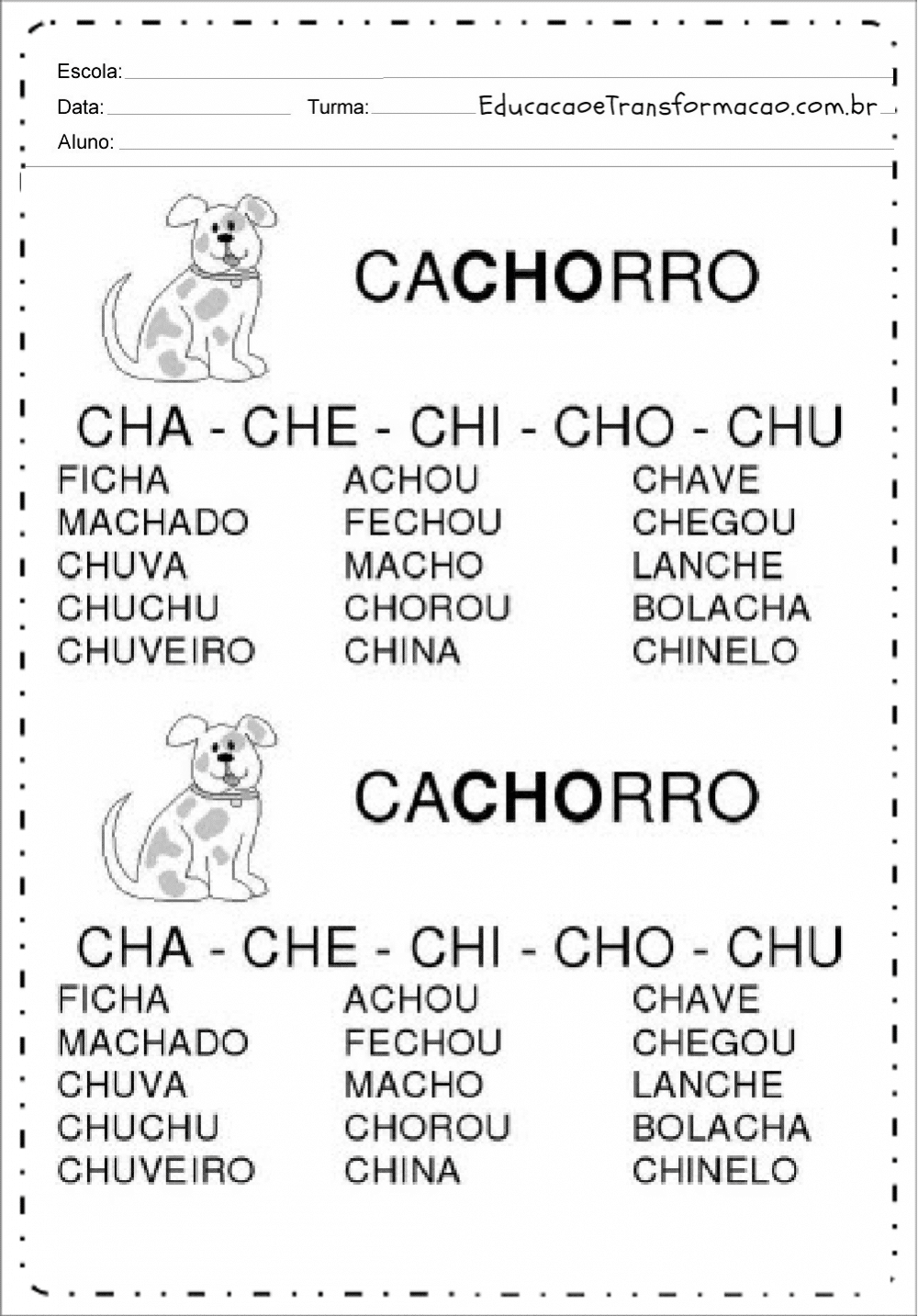
Cha Che Chi Cho Chu
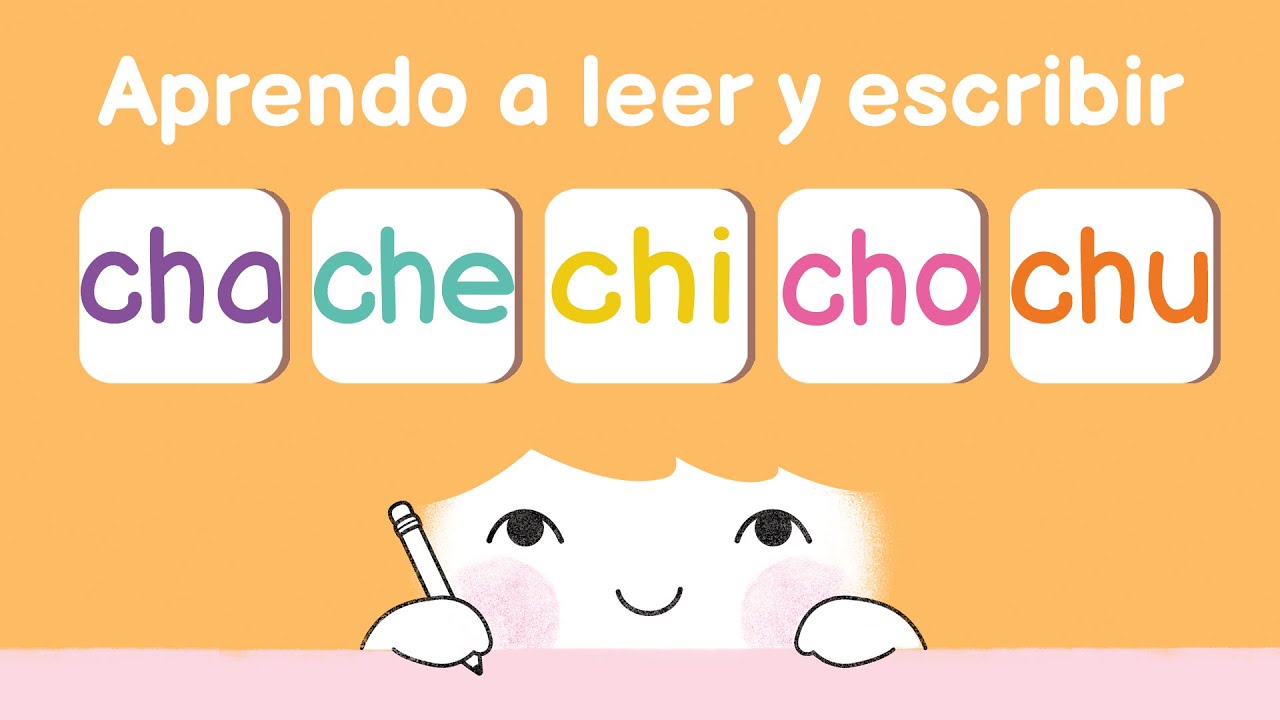
Exploring the playful sounds of cha che chi cho chu opens a fun window into how rhythm, tone, and repetition shape language and memory. This curious sequence of syllables feels like a tongue twister, a chant, and a phonetic playground all at once, inviting speakers to experiment with pronunciation, stress, and musicality. In this article, we unpack the charm of cha che chi cho chu by looking at its structure, its uses in practice, and the creative ways people can turn it into a tool for learning and expression.
Why Cha Che Chi Cho Chu Captures Attention
The combination cha che chi cho chu stands out because it moves quickly from soft and open vowels to sharp, clipped sounds, creating a playful contrast that catches the ear. Each syllable builds on the last with a similar initial consonant, giving the phrase a rhythmic pattern that feels both steady and surprising. This kind of repetition is often used in language drills, songs, and poems because it highlights subtle differences in pronunciation while keeping the listener engaged. As a result, saying cha che chi cho chu aloud can feel like a small performance, testing how smoothly you can glide through the sounds without stumbling.
From a linguistic perspective, the sequence showcases a clear vowel progression that many learners find useful for practicing mouth positioning and intonation. The rising and falling energy of cha, the sharper chew of che, the bright chi, the rounded cho, and the grounded chu create a mini journey through different articulation points in the mouth. By moving through these sounds in order, speakers develop greater control over their tongue, lips, and breath, which can improve clarity in everyday speech. This is why teachers often use playful strings like cha che chi cho chu as warm up exercises in language classes or speech therapy sessions.
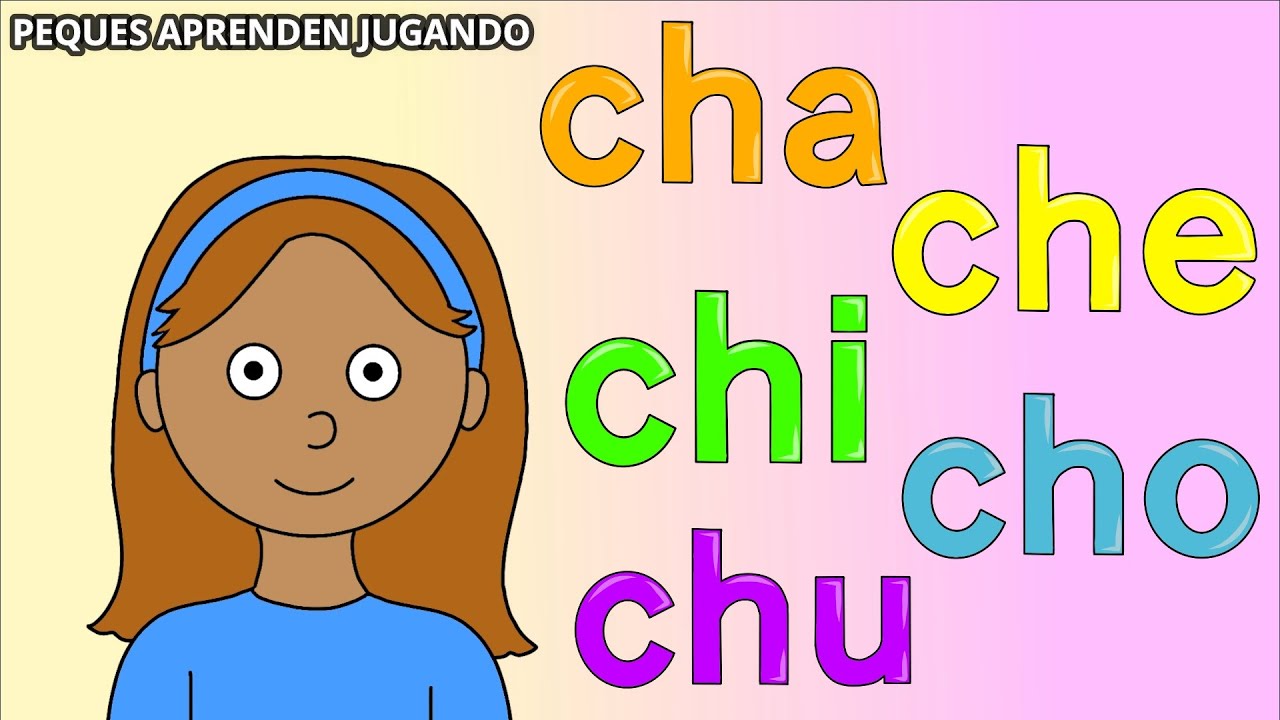
How to Pronounce Cha Che Chi Cho Chu Correctly
Pronouncing cha che chi cho chu accurately starts with understanding that each syllable should be crisp and evenly paced, avoiding the temptation to rush through them. Begin with cha, keeping the jaw relaxed and the tongue tip down, then shape the mouth slightly forward for che, raising the corners of the lips. For chi, press the tongue against the lower teeth to create a bright hissing edge, while cho requires rounding the lips into a gentle circle without dropping the jaw too much. Finish with chu, keeping the tongue high and close to the roof of the mouth, allowing a smooth release of air.
To practice effectively, try breaking the sequence into smaller chunks and repeating each part slowly before increasing speed.
- Start with cha several times, focusing on clear vowel sound and steady breath.
- Move to che, paying attention to the slight tension at the sides of the tongue.
- Practice chi with emphasis on the hissing s sound, keeping the airflow consistent.
- Work on cho by rounding the lips without squeezing the throat.
- Finish with chu, holding the final vowel clean and resonant.
Once you feel comfortable with each piece, link them together into the full chain of cha che chi cho chu, aiming for a natural rhythm rather than exaggerated drama. Recording yourself and listening back can highlight areas where the sounds blur, helping you refine pronunciation over time.
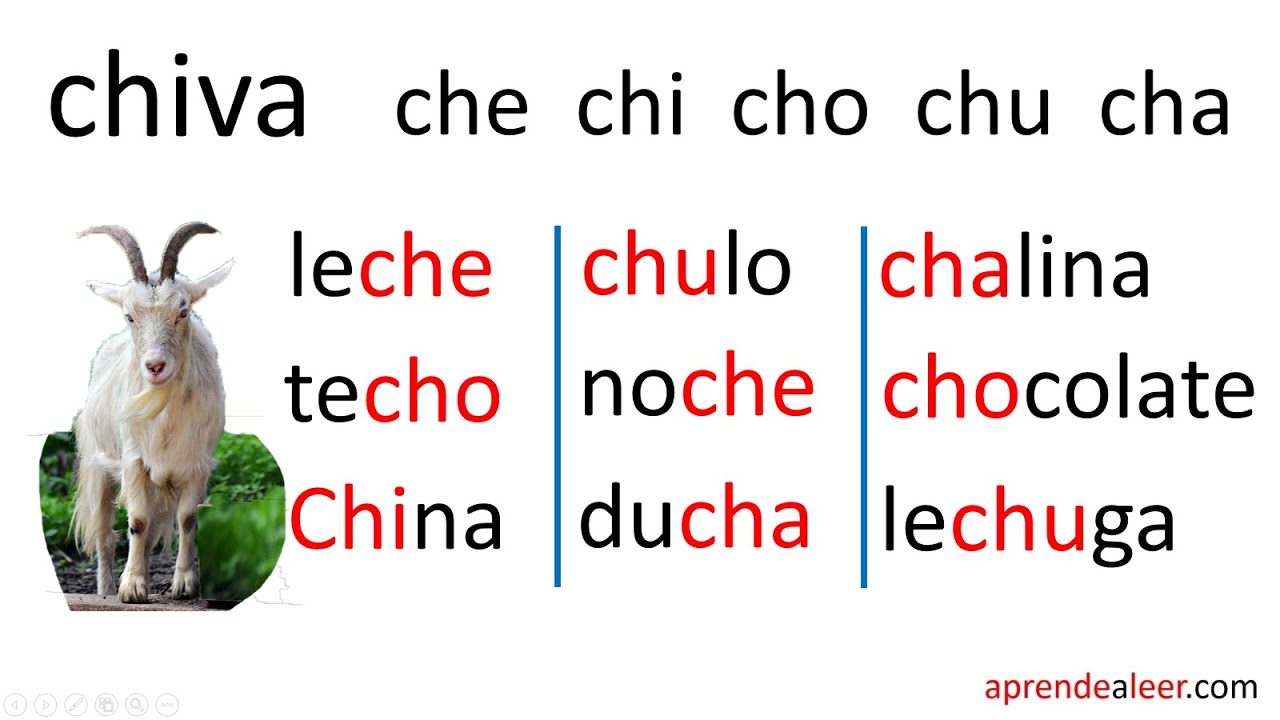
Using Cha Che Chi Chu in Language Learning
Teachers often introduce cha che chi cho chu as a simple yet effective exercise for building confidence with unfamiliar sound patterns. Because the sequence repeats the initial consonant while shifting the vowels, it highlights how small changes in tongue and lip position can create entirely different sounds. Learners can use this pattern to explore other consonant vowel combinations, gradually expanding their phonetic range. For example, swapping cha for da or pe can turn the exercise into a new challenge while preserving the familiar structure.
In classroom settings, cha che chi cho chu can be turned into a game where students take turns saying the sequence faster or while performing a simple action, such as clapping. This not only reinforces accurate pronunciation but also reduces the anxiety that sometimes comes with speaking a new language. When learners associate these sounds with play and movement, they are more likely to remember them and use them confidently in real conversations. Over time, the playful chant becomes a mental shortcut for recalling tricky sound combinations and improving overall fluency.
Creative Ways to Turn Cha Che Chi Chu Into Fun
Beyond drills and lessons, cha che chi cho chu can become a source of entertainment in everyday moments. Families can take turns leading call and response sessions, where one person says the sequence in different rhythms and the others repeat it exactly. You can experiment with whispering, singing, or adding hand gestures, transforming the exercise into a lively performance that appeals to both children and adults. These variations help reinforce memory by linking sound with physical action and emotional enjoyment.
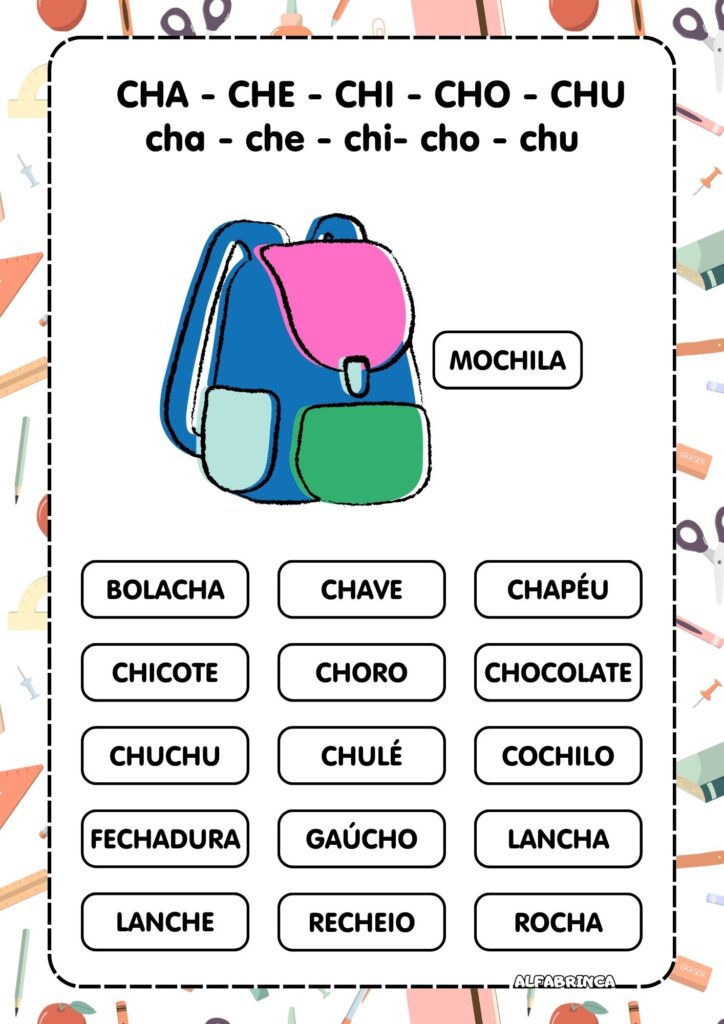
Musicians and poets also find inspiration in the rhythmic qualities of cha che chi cho chu, using it as a springboard for composing short verses or percussive vocal patterns. By playing with tempo, volume, and pauses, they highlight how a simple string of syllables can carry mood and movement. Whether used as a quirky hook in a song or as a rhythmic foundation for a spoken word piece, the sequence proves that even the most abstract sounds can carry artistic meaning.
The Memory Benefits of Repeating Cha Che Chi Chu
Repeating cha che chi cho chu regularly can strengthen neural pathways involved in speech production and auditory processing. The consistent pattern allows the brain to predict the next sound, which builds automaticity and frees up mental energy for focusing on meaning or expression. This makes the sequence an excellent warm up for public speaking, language practice, or any activity that requires quick thinking and clear diction. Over time, the improved mouth coordination and listening skills can translate into more confident communication overall.
In addition to supporting speech development, the playful nature of cha che chi cho chu makes repetition feel light rather than tedious. When learners enjoy the practice, they are more likely to return to it, creating a positive cycle of engagement and progress. By integrating this simple sequence into daily routines, whether through quick vocal exercises, games, or creative challenges, anyone can turn a curious string of syllables into a lasting tool for growth.
Conclusion
The seemingly simple sequence cha che chi cho chu offers far more than meets the eye, or rather, the ear. By exploring its pronunciation, educational value, and creative potential, we see how a short sound pattern can support language learning, sharpen memory, and spark joy. Embracing such playful tools encourages experimentation, reduces the fear of making mistakes, and builds a stronger connection between speaking, listening, and having fun. With consistent practice and an open mindset, cha che chi cho chu can become a small but powerful habit that enriches the way we use language every day.
CHA CHE CHI CHO CHU - CRIANÇAS INTELIGENTES - A E I O U -BRASIL - PORTUGUÊS
www.criancainteligentes.com.br CHE CHI CHO CHU - CRIANÇAS INTELIGENTES -PORTUGUÊS.Após o aeiou de A a Z agora ...
