Cores Em Ingles Atividades
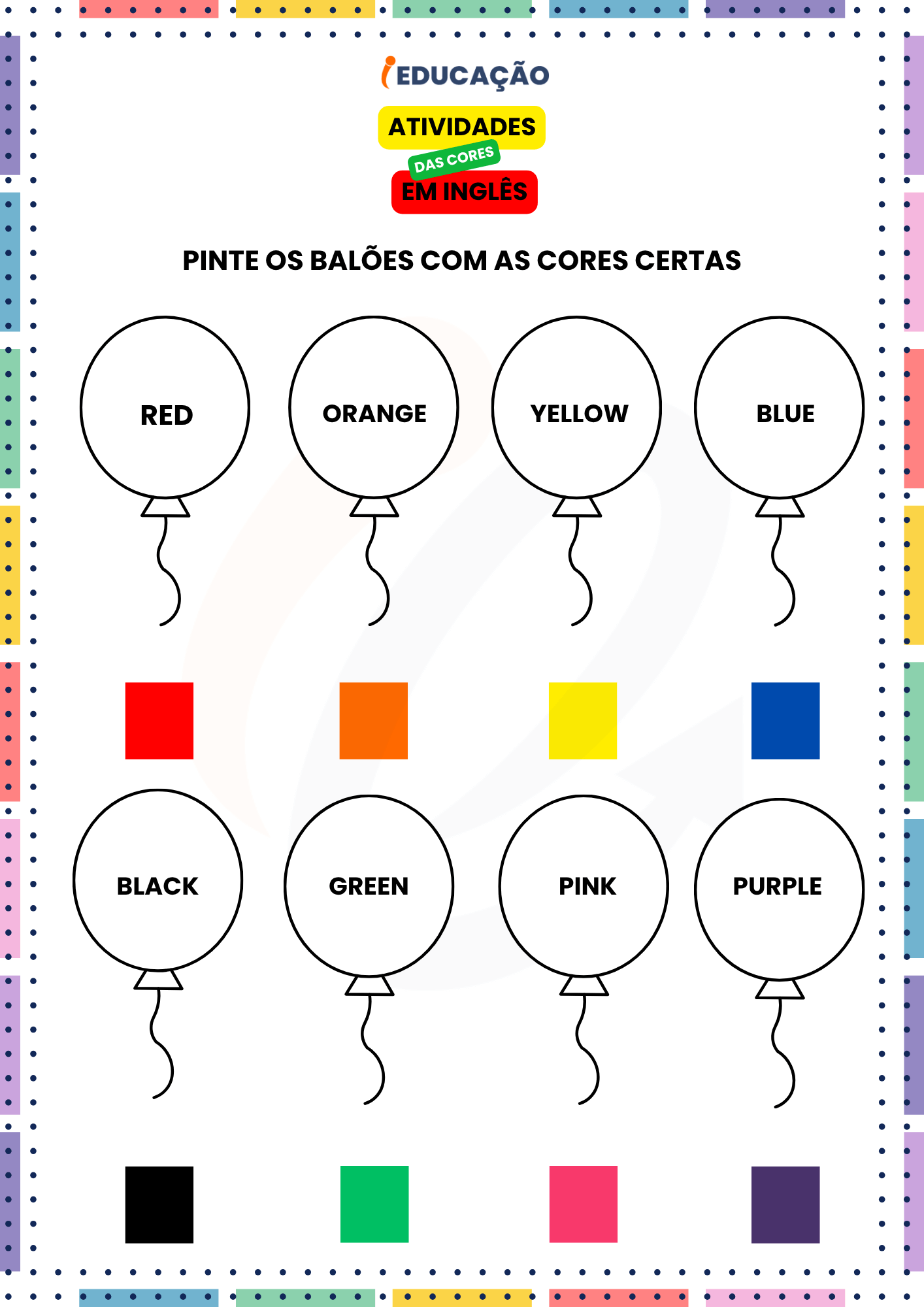
Exploring cores em inglês through engaging atividades is a fantastic way to build vocabulary while sharpening your listening and speaking skills in the language. When learners connect color names with real objects, emotions, and instructions, the words stop being abstract symbols and start feeling like tools they can actually use. This approach turns a simple rainbow chart into a dynamic playground where curiosity, repetition, and play help new patterns stick. Below are practical, varied cores em inglês atividades that you can adapt for self-study, tutoring sessions, or classroom lessons.
Matching and Memory Games with Color Words
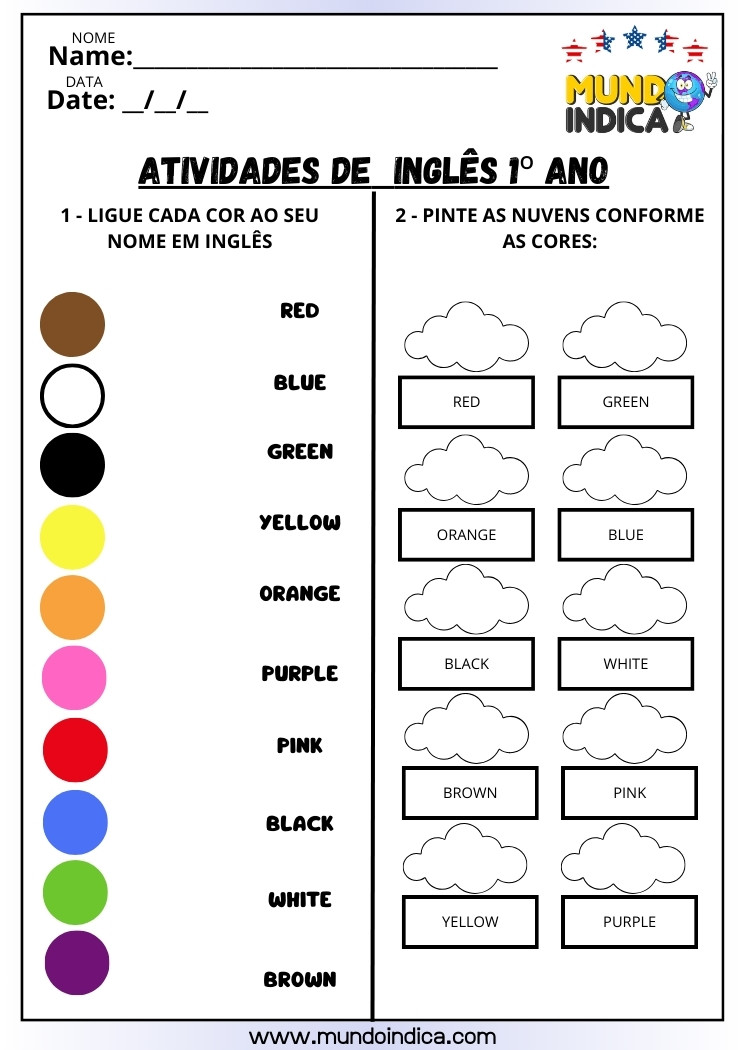
Memory and matching games are among the most effective cores em inglês atividades because they rely on visual association and quick recall. You can prepare a set of cards, with one card showing a color name in English and the other displaying a solid swatch or an object of that color. Turning them face down and flipping two at a time trains not only color recognition but also spelling and short-term memory. For a listening twist, have a partner call out a color while you race to find the matching card, or use small objects like buttons, beads, or blocks to build a more tactile experience.
To increase difficulty, combine multiple colors and ask learners to remember a sequence, such as “blue, yellow, red,” before placing the cards back in that order. You can also create “bingo” grids with color names and call out words randomly, encouraging players to mark the correct square. These cores em inglês atividades work well in groups, fostering friendly competition and lots of repeated exposure without feeling like rote drilling. The key is to keep the pace lively, celebrate small wins, and gradually introduce more complex instructions in English to stretch comprehension.
Following Directions and Listening Challenges
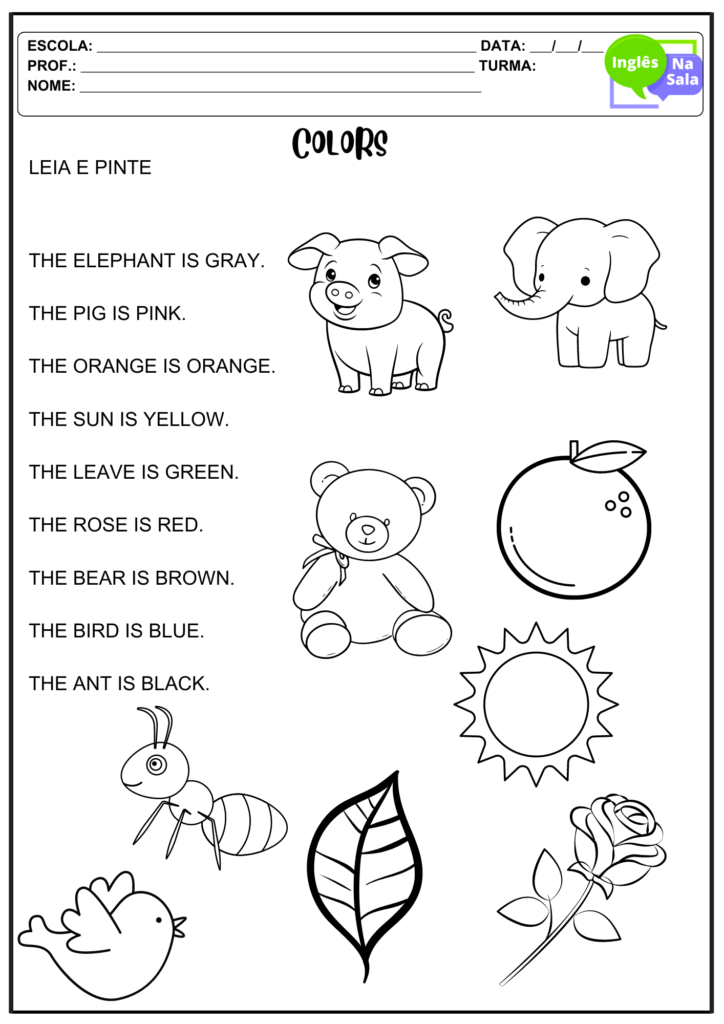
Another powerful way to practice cores em inglês atividades is by giving multi-step directions that require careful listening. For example, you might say, “Draw a red circle, then color the top half yellow and add a blue square below it,” while students follow along on paper. This not only reinforces color vocabulary but also integrates prepositions, shapes, and sequential language in a low-pressure context. You can adjust the complexity based on level, from simple one-step tasks to more intricate compositions that demand attention to detail.
In a classroom or home setting, turn these directions into a collaborative game where one person describes a picture using only colors and shapes, while the other tries to recreate it without seeing the original. This highlights the importance of clear pronunciation, descriptive language, and checking for understanding. Recording short instructions and playing them back later can also help learners evaluate their progress and notice patterns in how color words are used in connected speech, making these cores em inglês atividades both practical and reflective.
Creative Art and Labeling Projects
Art-based cores em inglês atividades allow learners to experiment with color mixing, emotion, and personal expression while steadily expanding their vocabulary. Invite students or peers to create a simple painting or collage and then label each section with the correct English color word. For an emotional angle, discuss how different colors make them feel—such as “calm blue,” “energetic orange,” or “happy yellow”—and write those associations in English around the artwork. This links colors to feelings and adjectives, enriching overall descriptive ability.

You can also organize a “color scavenger hunt” where participants find objects in the room that match specific color terms and then write or say a sentence about each one, like “The grass is green” or “My pen is black.” Recording these sentences or sharing them with a partner adds an oral production component, turning static labels into lively, context-rich practice. By combining visual creativity with structured language output, these projects help colors feel vivid, relevant, and memorable.
Sing Songs, Rhymes, and Chants
Music and rhythm are natural allies for language learning, and there is a wide range of English songs and chants built around cores em inglês atividades. Simple tunes that list colors in order, such as “red, yellow, green and blue, here are the colors just for you,” provide a catchy framework for repetition and pronunciation practice. Learners can clap, tap desks, or use actions to the rhythm, which supports memory through movement and makes the experience multisensory.
Creating original color rhymes or call-and-response chants can further deepen engagement. For instance, the teacher says “green,” and the students respond with “like the grass we have seen,” building a playful pattern that reinforces both sound and meaning. These musical cores em inglês atividades are especially effective in group settings, where energy and confidence grow together. Even shy participants often join in when the task feels like singing or reciting a poem rather than taking a test.
Storytelling and Picture Description
Using colors as a springboard for storytelling is one of the most flexible cores em inglês atividades because it scales easily from beginner to advanced levels. Learners can describe a picture using as many color details as possible, narrate a short scene where characters wear certain colors, or invent a story that revolves around a magical palette. The goal is to move from isolated words to connected language, using color adjectives naturally within sentences.
To add structure, provide sentence starters like “The sky at dawn is pink and purple,” or “My mysterious bag is full of strange-colored objects,” and ask participants to continue the narrative. Peer feedback sessions, where classmates note interesting color choices or correct usage, encourage revision and critical thinking. Over time, these storytelling exercises help learners internalize not just color names, but also adjectives, comparison language, and richer descriptive habits in English.
Digital Tools and Self-Created Quizzes
In today’s connected world, incorporating digital tools into cores em inglês atividades can boost motivation and offer instant feedback. Many free platforms and apps include flashcards, listening exercises, and games centered on color vocabulary, allowing learners to practice at their own pace. Creating personalized quizzes with fill-in-the-blank sentences or image-based multiple choice questions is another effective strategy, as it requires active recall and helps identify which colors or uses still need work.

Screen recording short explanations of color rules or cultural associations, then revisiting them later, turns these cores em inglês atividades into a reusable study resource. When learners teach the concepts back in their own words, they reinforce understanding and gain confidence. Blending technology with hands-on tasks ensures that color practice stays fresh, interactive, and aligned with real-world usage, whether in casual conversation or more formal English contexts.
By weaving cores em inglês atividades into daily practice, learners transform a basic vocabulary list into a living, expressive part of their language journey. The variety of games, art projects, listening tasks, and digital tools ensures that there is always a fresh way to encounter and use color words, keeping motivation high and building lasting retention. With consistent, playful engagement, English speakers and learners alike can master these essential descriptors and use them with fluency and creativity in countless real-life situations.
As Cores em Inglês | Aprender as Cores em Inglês
As cores em inglês. Nesse vídeo você vai aprender o nome das cores em inglês de uma jeito fácil e divertido, além de aprender o ...
