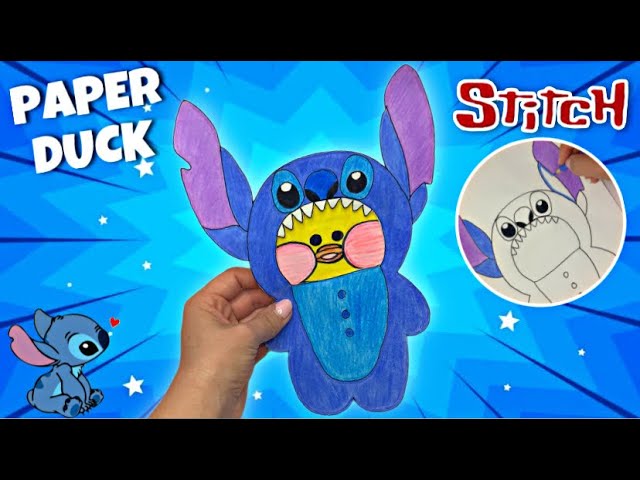
Paper Duck Do Stitch

Paper duck do stitch is a charming and relaxing craft that turns simple sheets of paper into delightful miniature ducks through a combination of folding, cutting, and stitching.
Understanding Paper Duck Do Stitch
At its core, paper duck do stitch is a mixed-media art form that blends origami-like techniques with hand-sewing or machine embroidery. The process begins with paper as the primary medium, chosen for its texture, weight, and ease of manipulation. Crafters often select sturdy cardstock or patterned paper that can hold shape after being folded and scored. The signature stitch element adds dimension and personality, turning a flat sheet into a textured, three-dimensional bird.
What makes this craft so appealing is its accessibility. You do not need advanced drawing skills or expensive tools to begin. A basic setup includes paper, a needle and thread or a sewing machine, scissors, and a blunt tool for scoring. The repetitive, meditative nature of stitching encourages mindfulness, making it a wonderful activity for reducing stress. Over time, crafters develop their own style, experimenting with different stitches, thread colors, and paper finishes.
Materials and Tools for Success
Choosing the right materials is essential for achieving clean lines and satisfying results in paper duck do stitch. Start with medium-weight paper that resists tearing but remains easy to fold. Colorful scrapbooking paper, watercolor paper, or even repurposed magazine pages can work beautifully. For stitching, fine cotton or linen thread provides a soft look, while thicker options can create bolder, more visible lines.
- Sturdy paper such as cardstock or watercolor paper
- Needles suitable for paper crafting or thin embroidery needles
- Thread in complementary colors like cream, brown, or muted tones
- Sharp scissors and a craft knife for precise cutting
- A scoring tool or bone folder for crisp folds
- Pencil and light ruler for planning your design
Optional tools can elevate your work without complicating the process. A small embroidery hoop keeps the paper taut while you stitch, preventing wrinkles. Tweezers help adjust tiny folds, and glue or double-sided tape can secure layers in place. The key is to start simple and gradually incorporate new tools as you grow more confident in your paper duck do stitch techniques.
Designing Your Paper Duck
Creating a charming paper duck begins with thoughtful design. You can sketch a basic outline on scrap paper, focusing on clean shapes rather than intricate detail. A simple silhouette with a rounded body, a small head, and a gently curved beak works well for beginners. Consider the posture you want, whether the duck is swimming, resting, or turning its head, as this will influence how you place your stitches.

When transferring your design onto the final paper, use a light touch. A soft pencil or a erasable fabric marker allows you to adjust lines without leaving permanent marks. For more advanced crafters, creating a reusable template on tracing paper can speed up the process. Once you are satisfied with the outline, you are ready to move on to cutting and preparing the base for stitching.
Cutting and Preparing the Paper
Cutting the duck shape accurately sets the foundation for a polished result. Use sharp scissors to follow your pencil lines, taking your time to create smooth curves. If your design includes small details, such as wings or tail feathers, consider using a craft knife on a cutting mat for better control. Always cut on a stable surface to avoid slipping and to keep your edges clean.
Before stitching, you may want to add texture or layers to your paper duck do stitch project. Lightly scoring lines along the body or wings can suggest feathers when the thread follows the pattern. You can also layer two pieces of paper for extra depth, securing them temporarily with tape. This preparation step ensures that your stitching has a clear guide and that the final piece feels substantial and well-crafted.

Stitching Techniques to Bring Your Duck to Life
Stitching is where paper duck do stitch truly comes alive. Begin by threading your needle and tying a secure knot at the end. Start from the back of the paper and bring the needle through at one end of your design, then follow your outline or create decorative patterns along the body. Simple running stitches work well for beginners, while more experienced crafters might try satin stitch, french knots, or backstitching for added texture.
- Running stitch for clean, straight lines along the edges
- Backstitch for durability and a polished outline
- Satin stitch to fill in areas like the body or wings
- French knots for eyes or decorative accents
- Chain stitch for playful, textured details
As you stitch, maintain even tension so the paper does not pucker. If the paper starts to tear, reduce pulling and consider reinforcing fragile areas with a thin layer of glue. The rhythm of stitching encourages focus and creativity, allowing each duck to develop its own character through thread and movement.
Finishing and Displaying Your Work
Once your stitching is complete, take a moment to assess the overall balance of your paper duck do stitch creation. Trim any loose threads and gently flatten the piece using a clean, dry surface. For extra durability, you can apply a light coating of glue or mod podge, but do so sparingly to avoid making the paper too stiff or glossy.

There are many ways to showcase your finished ducks. Arrange them in a shadow box, attach them to greeting cards, or string them together as a whimsical garland. Because the materials are lightweight, they are easy to incorporate into home decor or thoughtful handmade gifts. Sharing your work with friends or online communities can inspire others to try paper duck do stitch and discover the joy of creating something delicate and memorable with their own hands.
Macacão do Stitch para Paper Duck #paperduck #stitch #diy
No description available.
