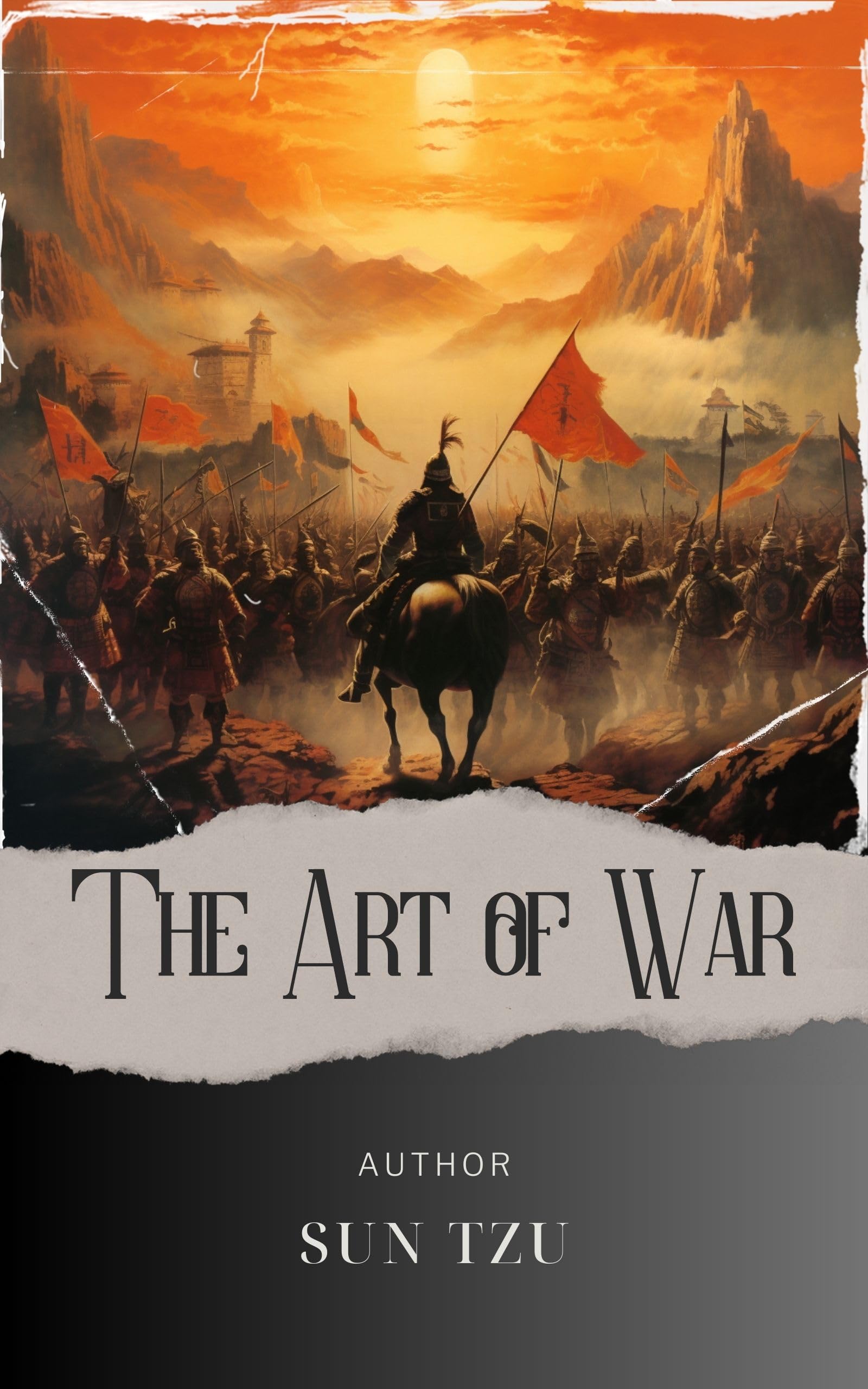
Sun Tzu The Art Of War
Sun Tzu The Art of War has guided leaders, generals, and negotiators for more than two thousand years with its timeless insights into strategy, psychology, and human competition. Far more than a narrow military manual, this classic work explains how to understand situations, manage conflict, and create conditions where your side moves closer to a favorable outcome without unnecessary struggle. By studying Sun Tzu, you learn to see patterns of power, opportunity, and risk in business, relationships, and everyday decision-making, turning confusion into clarity and hesitation into decisive, well-prepared action.
The Core Philosophy of Strategy According to Sun Tzu
At its heart, Sun Tzu The Art of War teaches that the strongest position is not the one with the most obvious force, but the one shaped by preparation, timing, and awareness. The text repeatedly emphasizes that victory belongs to those who understand themselves, their opponents, and the environment so deeply that they can act in harmony with changing circumstances. Instead of glorifying reckless aggression, the work praises careful calculation, subtle influence, and the ability to shift momentum in your favor before open conflict even begins.
One of the most quoted ideas from Sun Tzu is that the supreme excellence is to break the enemy’s resistance without fighting, highlighting how strategy can resolve tension through intelligence, positioning, and psychological insight. This does not mean avoiding conflict at all costs, but rather avoiding wasteful, poorly planned conflict while seeking efficient, targeted actions that conserve energy and resources. When you apply this mindset, you start to see every project, negotiation, or competitive situation as a dynamic system where small, well-chosen moves can create outsized advantages.
Know Yourself and Know Your Opponent
A recurring theme in Sun Tzu The Art of War is the idea that true strength comes from self-knowledge as much as from external power. The text advises that if you understand your own capabilities, limitations, and values, you are far less likely to be blindsided by setbacks or drawn into unwise confrontations. This honest self-assessment becomes the foundation for discipline, focus, and long-term resilience, whether you are leading a team, running a business, or navigating personal challenges.
Equally important is the demand to study your opponents, rivals, or even the broader context of your environment. Sun Tzu urges constant observation, asking you to gather information about others’ strengths, habits, fears, and ambitions so that you can anticipate their moves rather than merely reacting to them. Key points to remember include:
- Observe patterns in behavior over time, not just one-time actions.
- Recognize how incentives, emotions, and external pressures shape decisions.
- Use this awareness to identify where your own position can be strengthened.
By combining deep self-awareness with sharp observation of others, you transform uncertainty into a manageable map of options, turning potential threats into opportunities for creative solutions.

Energy, Momentum, and the Shape of Conflict
Sun Tzu often describes strategy in terms of energy and movement, suggesting that a force that flows skillfully can overcome a stronger but rigid opponent. Rather than meeting every challenge head-on, the text recommends directing your effort toward points where the opposition is weakest or misaligned. This approach shows up in modern settings as focusing on niche markets, timing product launches to match emerging trends, or choosing battles that truly matter to your long-term goals.
Momentum, in Sun Tzu’s view, is something you carefully construct and then protect once it begins to build. Small successes can be linked together so that confidence, resources, and support reinforce one another, while hesitation or scattered action can allow that momentum to dissipate. When you study Sun Tzu The Art of War, you learn to recognize the moments when consolidating a small advantage is wiser than stretching for a bigger but riskier gain.
Adaptability and the Unforeseen
No plan survives first contact with reality, and Sun Tzu The Art of War prepares you for this truth by stressing adaptability, flexibility, and responsive decision-making. The text highlights the need to adjust tactics as conditions change, using terrain, timing, and information to continuously refine your approach. In practical terms, this means designing plans with built-in checkpoints, clear indicators of progress or failure, and the willingness to pivot when the situation demands it.
Because human behavior and external factors are rarely static, Sun Tzu encourages you to treat strategy as an ongoing process of observation, testing, and refinement rather than a one-time blueprint. This mindset reduces the shock of surprises, turning unexpected events into data that can inform the next thoughtful move instead of derailing your entire effort.
Avoiding Exhaustion and Preserving Strength
Another key insight from Sun Tzu is that long-term success depends on conserving your resources, including your physical energy, mental focus, and organizational capacity. Prolonged struggles drain morale and finances, so the text advises careful engagement, clear objectives, and a readiness to withdraw or consolidate when the balance of forces shifts. This perspective is especially relevant in modern careers and businesses, where burnout and overextension are common pitfalls.
When you apply these ideas, you cultivate a style of leadership and action that balances ambition with sustainability, boldness with prudence. Sun Tzu reminds us that sometimes the strongest move is to secure a good position, wait for the right moment, and then advance with precision rather than force, demonstrating that wisdom can be as powerful as raw intensity.
Integrating Sun Tzu Into Modern Life
Sun Tzu The Art of War remains relevant because its principles translate easily from ancient battlefields to contemporary offices, communities, and personal projects. The emphasis on preparation, information, and measured action offers a framework for thinking through complex situations without becoming overwhelmed by details. By treating each decision as part of a larger pattern, you begin to see strategy not as an abstract theory but as a practical skill that improves with practice.
As you continue to explore Sun Tzu, you may find yourself returning to specific ideas when facing new challenges, testing how ideas about terrain, deception, and alliances can be reimagined in your context. The more you integrate these lessons into daily life, the more naturally you begin to plan with foresight, respond with calm, and guide your efforts toward outcomes that reflect both strength and intelligence.
In the end, Sun Tzu The Art of War invites you to move through conflict and competition with clarity, confidence, and a long-term perspective, turning strategic thinking into a lasting habit that supports your goals in every sphere of life.
Sun Tzu - A Arte da Guerra Explicada em 5 Minutos
A Arte da Guerra é o tratado mais influente sobre guerra já escrito, composto por 13 capítulos, cada um dedicado a um aspecto ...
